← Authors

Reformer · Wittenberg

Martin Luther

Born
10 November 1483Eisleben, County of Mansfeld
Died
18 February 1546Eisleben, County of Mansfeld

Martin Luther was a German Augustinian friar, professor of theology, pastor, translator, and reformer. His dispute over indulgences widened into a sustained challenge to late-medieval church authority and sacramental practice. His teaching on justification by faith, the distinction of law and gospel, and the authority of Scripture shaped the Lutheran churches and the wider Protestant Reformation.

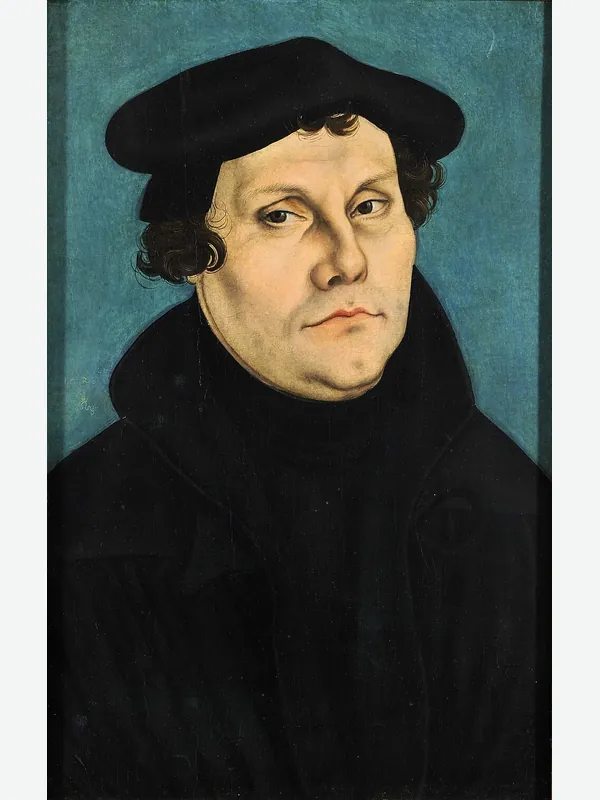
Historical artistic depiction of Martin Luther
Historical depiction · not a verified likeness

Start here

Reformation · Early modernHistorical period
Theologian · Professor · PastorPrincipal roles
German · Latin · Biblical Greek · Biblical HebrewWriting languages
18Works available here

Biography

German theologian whose teaching, preaching, translation, and pastoral reforms became foundational for the Lutheran Reformation.

Education and religious formation

Born in Eisleben and raised in Mansfeld, Luther received a Latin-school education before entering the University of Erfurt. He completed the master of arts degree and began legal study, but in 1505 entered the Observant Augustinian monastery at Erfurt. Ordained in 1507, he pursued theology within the Augustinian order and was sent to the new University of Wittenberg. He received the doctorate in theology in 1512 and assumed a lectureship in biblical theology, a vocation he retained for the remainder of his life. His early lectures on Psalms, Romans, Galatians, and Hebrews supplied the setting in which his mature account of sin, grace, faith, and divine righteousness took shape. [1][2]

Indulgence controversy and reform

The publication and circulation of the Ninety-Five Theses in 1517 began as an academic challenge to indulgence preaching and the pastoral claims attached to it. Debate rapidly expanded to include papal authority, the nature of repentance, the church's treasury of merits, and the authority of councils. In the major writings of 1520 Luther addressed Christian freedom, sacramental practice, and the responsibilities of secular rulers and the Christian laity. Summoned before the imperial diet at Worms in 1521, he refused to retract without scriptural or rational demonstration. Under protection at the Wartburg he translated the New Testament into German, contributing to a long-running program of biblical translation and revision. [1][2]

Pastoral reform, controversy, and later life

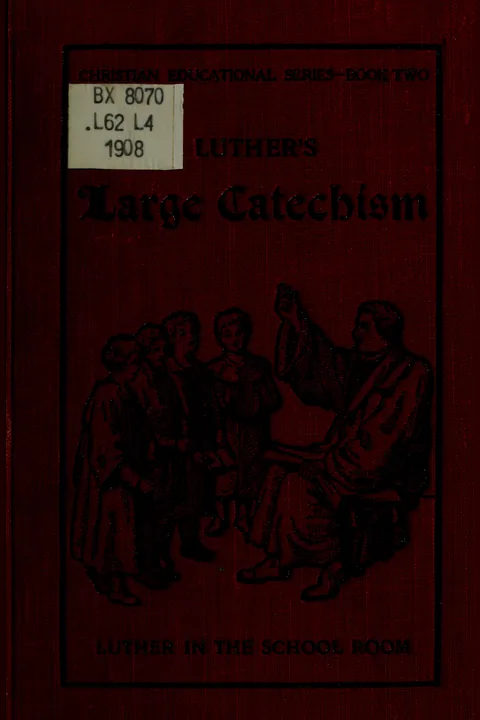
After returning to Wittenberg, Luther worked with colleagues to reform preaching, worship, education, marriage, and congregational instruction. His Small and Large Catechisms of 1529 grew from concern over weak parish teaching. He married Katharina von Bora in 1525; their household became a center of family life, hospitality, and theological conversation. Luther's later career included sharp disputes with Erasmus over the will, with Swiss reformers over the Lord's Supper, and with Roman Catholic controversialists. His polemical writings also contain grievous attacks on Jews and other opponents; these texts belong to any historically responsible account of his legacy and have been explicitly rejected by many later Lutheran churches. He died in Eisleben in 1546 while helping mediate a local dispute. [1][2]

Works and bibliography

18 works in TrinityLibrary

Other historically significant writings

  • Lectures on Romans1515–1516 · Latin · Biblical lectures · accepted
  • German BibleNew Testament 1522; complete Bible 1534 · German · Bible translation · accepted

    Collaborative and repeatedly revised under Luther's direction.

Hymns & sacred music

Texts, translations, tunes, and arrangements are credited by role.

  1. A Mighty Fortress Is Our GodEin feste Burg ist unser GottText · 1529
  2. A Mighty Fortress Is Our GodEin feste Burg ist unser GottTune · 1529
  3. Dear Christians, One and All RejoiceNun freut euch, lieben Christen g’meinText · 1523
  4. Dear Christians, One and All RejoiceNun freut euch, lieben Christen g’meinTune · 1523
  5. From Heaven Above to Earth I ComeVom Himmel hoch, da komm ich herText · 1535
  6. Lord, Keep Us Steadfast in Thy WordErhalt uns, Herr, bei deinem WortText · 1541
  7. We Now Implore God the Holy GhostNun bitten wir den Heiligen GeistText · 1524
  8. All Praise to Jesus' Hallowed NameGelobet Seist DuText · 1524
  9. Christ Jesus Lay In Death's Strong BandsChrist lag in TodesbandenText · 1524
  10. Come Holy Spirit, Lord Our GodKomm Heiliger Geist, Herre GottText · 1524
  11. Come, God Creator, Holy GhostVeni Creator SpiritusTranslation · 9th century / 1524
  12. Despair Not, O HeartIam MoestaTune · 1909
  13. God the Father Be Our StayGott Der Vater, Wohn Uns BeiText · 1524
  14. Happy the Man Who Feareth GodWo Gott Zum Haus (Walter)Text · 1524
  15. If God Had Not Been on Our SideWär Gott nicht mit uns diese Zeit (1524)Text · 1524
  16. In Peace and Joy I Now DepartMit Fried und Freud ich Far DahinText · 1524
  17. In These Our Days So PerilousVerleih uns Frieden GnädiglichText · 1529
  18. In These Our Days So PerilousVerleih uns Frieden GnädiglichTune · 1529
  19. Isaiah, Mighty Seer, In Days of OldJesaia Dem Propheten das GeschahText · 1526
  20. Isaiah, Mighty Seer, In Days of OldJesaia Dem Propheten das GeschahTune · 1526
  21. Jesus Christ Who Came to SaveJesus Christus Unser Heiland, Der Den Tod (Klug)Text · 1524
  22. Jesus Christ, Our Blessed SaviorJesus Christus Unser Heiland, Der Von Uns (Walter)Text · 1369
  23. Look Down, O Lord, From Heaven BeholdAch Gott vom HimmelText · 1524
  24. Lord God, Thy Praise We SingHerr Gott, dich loben wirText · 1529
  25. Lord God, Thy Praise We SingHerr Gott, dich loben wirTune · 1529
  26. May God Bestow on Us His GraceEs Wollt uns Gott GenædigText · 1524
  27. May God Bestow on Us His GraceEs Wollt uns Gott GenædigTune · 1524
  28. Now Praise We Christ, the Holy OneChristum Wir Sollen Loben SchonTranslation · 1524
  29. O Lord We Praise TheeGott Sei Gelobet und GebenedeietText · 1524
  30. Our Father Thou in Heaven AboveVater unser im HimmelreichText · 1539
  31. Our Father Thou in Heaven AboveVater unser im HimmelreichTune · 1539
  32. Out of the Deep I Cry to TheeAus Tiefer Not (Luther)Text · 1524
  33. Out of the Deep I Cry to TheeAus Tiefer Not (Luther)Tune · 1524
  34. Savior Of The Nations ComeNun Komm, Der Heiden HeilandTranslation · 1524
  35. That Men a godly Life Might LiveDies sind die heil`gen zehu GebotText · 1524
  36. The Mouth of Fools Doth God ConfessEs spricht der Unweisen MundText · 1524
  37. Though in the Midst of Life We BeMitten wir im Leben SindText · 1524
  38. Though in the Midst of Life We BeMitten wir im Leben SindTune · 1524
  39. To Jordan Came Our Lord, The ChristChrist, Unser HerrText · 1541
  40. To Shepherds As They Watched By NightVom Himmel HochText · 1543
  41. We All Believe in One True GodWir Glauben all an Einen Gott, SchoepferText · 1524
  42. We All Believe in One True GodWir Glauben all an Einen Gott, SchoepferTune · 1524
  43. Wilt Thou, O Man, Live HappilyMensch, Willt du Leben SeligichText · 1524
  44. Wilt Thou, O Man, Live HappilyMensch, Willt du Leben SeligichTune · 1524

Theology & thought

Justification and faith

Luther argued that sinners are justified by God's promise received through faith, not by accumulated merits. Faith is not mere assent but trust in Christ and the divine promise; good works follow faith as its fruit rather than earning acceptance before God.

This teaching emerged through Luther's biblical lectures and disputes over penance and indulgences, and it became central to the evangelical reform movement.

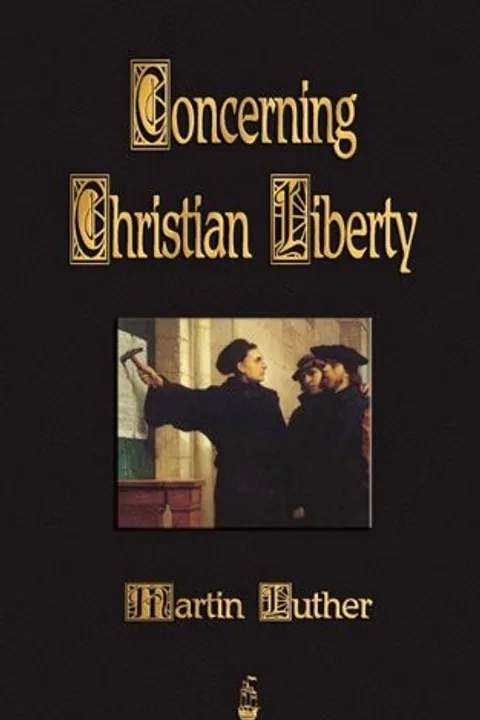
Primary texts:Commentary on the Epistle to the GalatiansConcerning Christian Liberty

Scripture and proclamation

Luther treated the prophetic and apostolic Scriptures as the decisive norm for Christian teaching. He read them christologically and pastorally, emphasizing the preached distinction between law, which exposes sin, and gospel, which announces forgiveness in Christ.

Primary texts:The Bondage of the Will

Historical timeline

Approximate and disputed dates are marked rather than silently normalized.

  1. life

    Born in Eisleben

    Born on 10 November and baptized the following day. [1]

  2. education

    Doctorate and Wittenberg lectureship

    Received the doctorate in theology and began his long tenure as professor of biblical theology. [1]

  3. publication

    Ninety-Five Theses

    Circulated theses against the theology and pastoral use of indulgences. [1][2]

    Read The Ninety-Five Theses
  4. controversy

    Diet of Worms

    Appeared before emperor and estates and refused a general recantation of his writings. [1]

  5. publication

    Small and Large Catechisms

    Published instructional summaries for households, pastors, and congregations. [1]

    Read The Large Catechism (Concordia Triglotta Translation)Read The Small Catechism (People's Edition, 1916)
  6. life

    Death in Eisleben

    Died on 18 February during a return visit to his birthplace. [1]

Relationships & influence

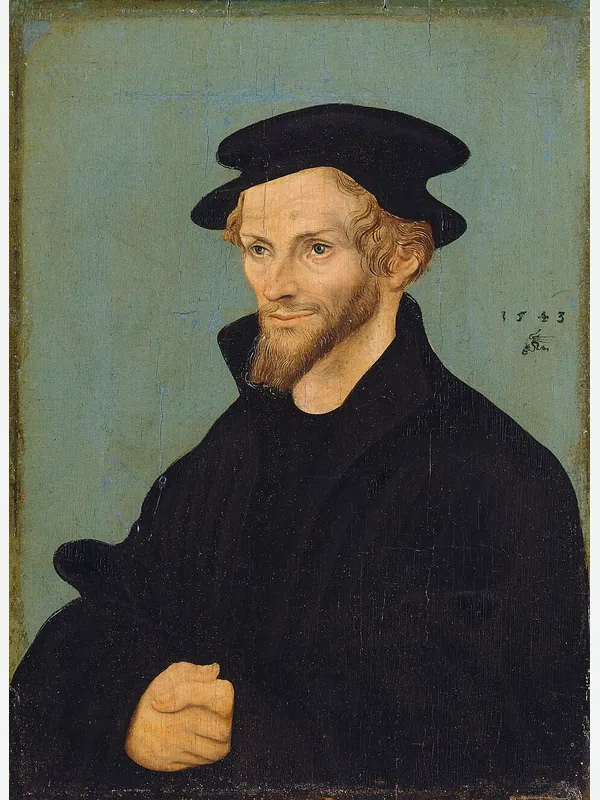
Historical artistic depiction of Philipp Melanchthon
Philipp Melanchthoncolleague

Close Wittenberg colleague whose linguistic, educational, and confessional work complemented Luther's reforming activity, despite later differences in emphasis.

Documented personal relationship
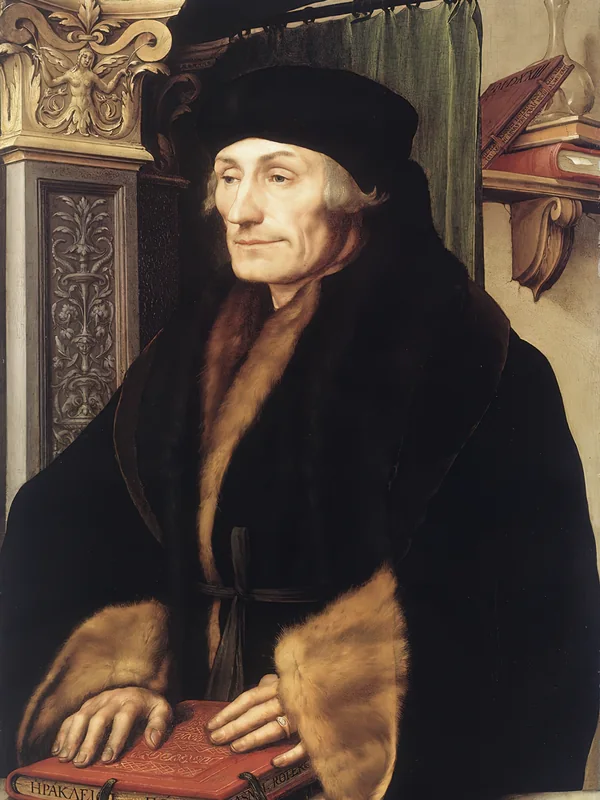
Historical artistic depiction of Desiderius Erasmus
Desiderius Erasmusopponent

Their published controversy over free choice and the bondage of the will exposed major differences in anthropology, grace, and theological method.

Documented personal relationship
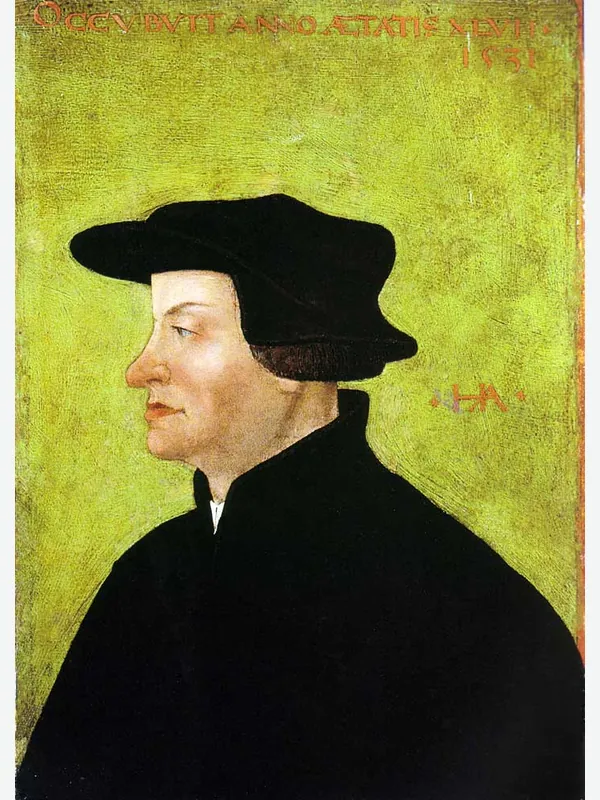
Historical artistic depiction of Huldrych Zwingli
huldrych zwingliopponent

They met at Marburg in 1529 but did not resolve their disagreement over Christ's presence in the Lord's Supper.

Documented personal relationship
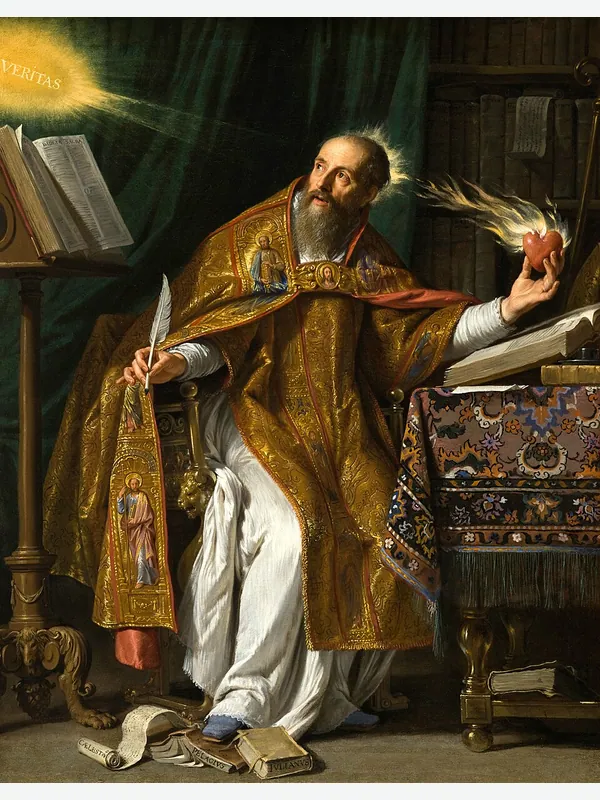
Historical artistic depiction of Augustine of Hippo
Augustine of Hippoinfluence

Augustine's anti-Pelagian writings and theology of grace were important to Luther's formation; this was textual influence, not personal contact.

Later or textual influence — no personal contact implied

Reception and legacy

Lutheran churches receive Luther as a primary reformer while subordinating his writings to Scripture and, confessionally, to the Book of Concord. Reformed, Anglican, Anabaptist, and Roman Catholic traditions have assessed his theology differently, often distinguishing shared reform concerns from disputes over sacraments, authority, and ecclesiology. Modern scholarship also examines the political consequences of his teaching and the destructive legacy of his anti-Jewish writings without treating those writings as incidental to the historical record. [1]

Sources & further reading

Reader-facing prose and editorial evidence are kept distinct. Source status reflects link and identity checks, not endorsement of every claim in a source.

  1. reference
    Martin Luther

    Encyclopaedia Britannica

    verified
  2. reference
    Luther, Martin

    Encyclopaedia Britannica, 11th edition · 1911

    verified
  3. primaryverified
  4. primaryverified
  5. primaryverified
  6. primaryverified
  7. primaryverified
  8. authorityverified