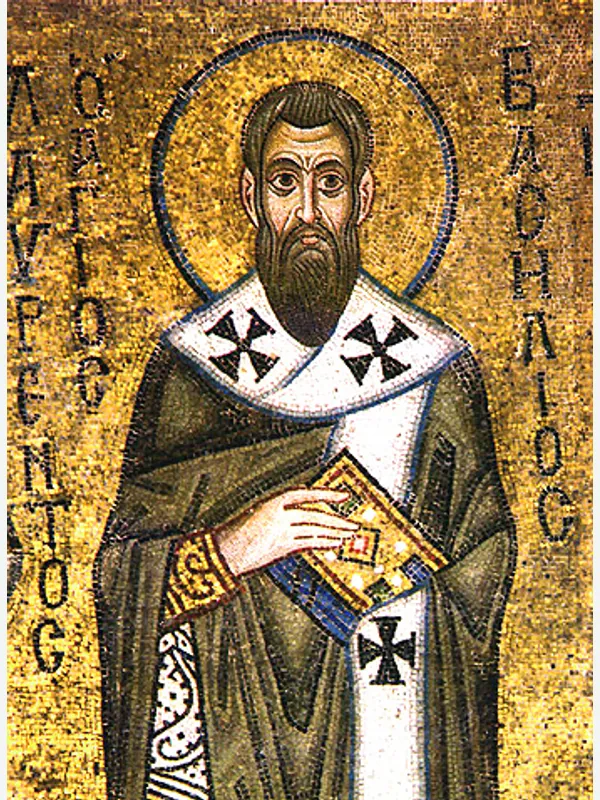
Basil of Caesarea was a Greek-speaking bishop, theologian, ascetic organizer, and pastor in fourth-century Cappadocia. Educated in Caesarea, Constantinople, and Athens, he later embraced an ascetic life and became bishop of Caesarea in 370. His writings on the Holy Spirit, creation, Christian learning, and common life joined doctrinal argument to practical care for churches and the poor.
Cappadocian bishop whose ascetic teaching, defense of pro-Nicene theology, and account of the Holy Spirit shaped Eastern Christian doctrine and communal life.
Family and education
Basil was born into a prosperous Christian family in Cappadocia around 330. His grandparents had lived through persecution, and several members of the household became prominent in the church. His sister Macrina and his brother Gregory of Nyssa were especially important to his religious world. Basil studied first in Caesarea and then pursued advanced rhetorical education at Constantinople and Athens. At Athens he formed a lasting friendship with Gregory of Nazianzus. The training prepared him for public teaching and gave him the literary and argumentative skills later visible in his sermons, letters, and theological works. [1]
Ascetic formation
After returning from his studies, Basil briefly taught rhetoric. He then turned toward ascetic life, a change he later described as an awakening to the demands of the Gospel. Travel through Syria, Palestine, Egypt, and Mesopotamia exposed him to different forms of Christian asceticism. He settled on family property in Pontus, where prayer, work, study, and common life took a more ordered form. His approach favored a community under scriptural discipline rather than isolated feats of renunciation. The Longer and Shorter Rules grew from questions about this shared life and remained central to Greek and Slavic monastic practice. [1]
Ministry at Caesarea
Basil was ordained presbyter in the 360s and became bishop of Caesarea in 370. His office carried responsibilities beyond a single congregation because Caesarea was the metropolitan see of Cappadocia. He preached, judged disputes, corresponded across the eastern churches, and resisted imperial support for anti-Nicene bishops under Valens. He also organized relief during famine and developed a large complex for travelers, the sick, and the poor outside Caesarea. Later writers called this foundation the Basileias. Its precise institutional history is difficult to reconstruct, but Basil's own preaching shows that material care and the common use of wealth belonged to his understanding of Christian obedience. [1][2]
Controversy and final years
Basil worked for unity among pro-Nicene Christians while disputes over terminology, episcopal alliances, and the status of the Holy Spirit remained unsettled. Against Eunomius he defended the full divinity of the Son and challenged claims that God's essence could be captured by a single definition. On the Holy Spirit argued from Scripture, baptism, and worship that the Spirit shares divine honor with the Father and the Son. Basil chose some formulas carefully in hope of preserving a broad coalition. He died in 379, before the Council of Constantinople gave conciliar expression to positions for which he had labored. [1][2]
Frederick Morgan PADELFORD, Essays on the Study and Use of Poetry by Plutarch and Basil the Great. Yale Studies in English 15 (1902) pp. 99-120. Address to young men on the right use of Greek literature.
The Hexaemeronfourth century · Greek · Homilies on creation · accepted
Lettersfourth century · Greek · Correspondence · accepted
The received corpus includes questions of attribution that require work-level review.
Longer Rules and Shorter Rulesfourth century · Greek · Ascetic instruction · accepted
Theology & thought
The Trinity and the Holy Spirit
Basil defended one divine essence confessed in three distinct hypostases. In On the Holy Spirit he argued that the Spirit's place in baptism, worship, sanctification, and the divine works warrants the same glory given to the Father and the Son.
Against Eunomius, Basil held that names such as Father and good truly disclose God without enclosing the divine essence in a human definition. Created minds know God through divine works and scriptural names while the divine essence remains beyond comprehension.
Primary texts:Against Eunomius
Creation and scriptural interpretation
The Hexaemeron reads Genesis through close attention to the text and the natural knowledge available in Basil's day. The created order displays divine wisdom and trains hearers in gratitude, restraint, and care for fellow creatures.
Basil placed ascetic discipline within a community where prayer, labor, mutual correction, and care for the vulnerable supported one another. His sermons treated surplus possessions as goods owed to neighbors in need, making economic conduct a pastoral and theological concern.
Primary texts:Longer RulesHomily in Time of Famine
Historical timeline
Approximate and disputed dates are marked rather than silently normalized.
life
Born at Caesarea
Born into a prominent Christian family in Cappadocia. [1]
education
Studies at Athens
Completed advanced rhetorical study and formed a close friendship with Gregory of Nazianzus. [1]
life
Begins ascetic life
Traveled among ascetic communities and later established a common life in Pontus. [1]
office
Bishop of Caesarea
Succeeded Eusebius as metropolitan bishop during continuing pro-Nicene conflict. [1]
publication
On the Holy Spirit
Composed his major defense of the Spirit's divine dignity and place in Christian worship. [1]
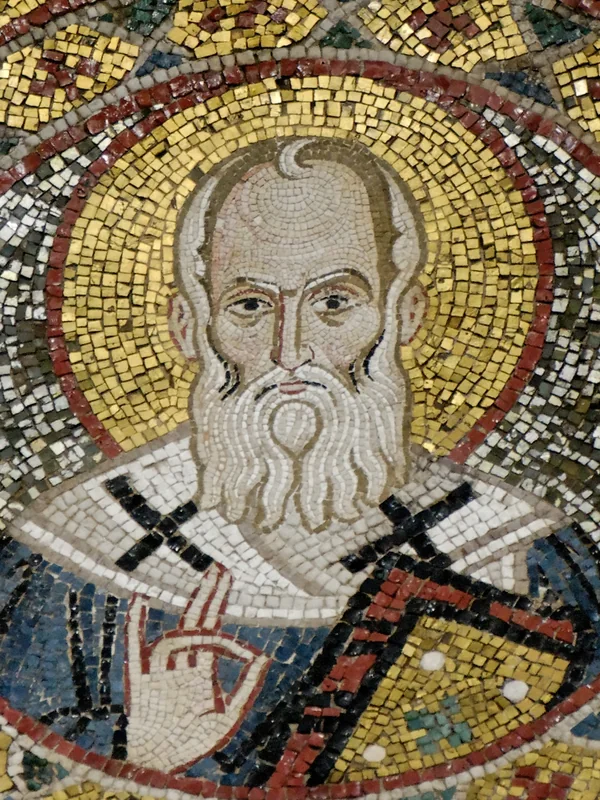
Friends since their studies at Athens, Basil and Gregory worked together in ascetic and theological projects, though episcopal policy sometimes strained the friendship.
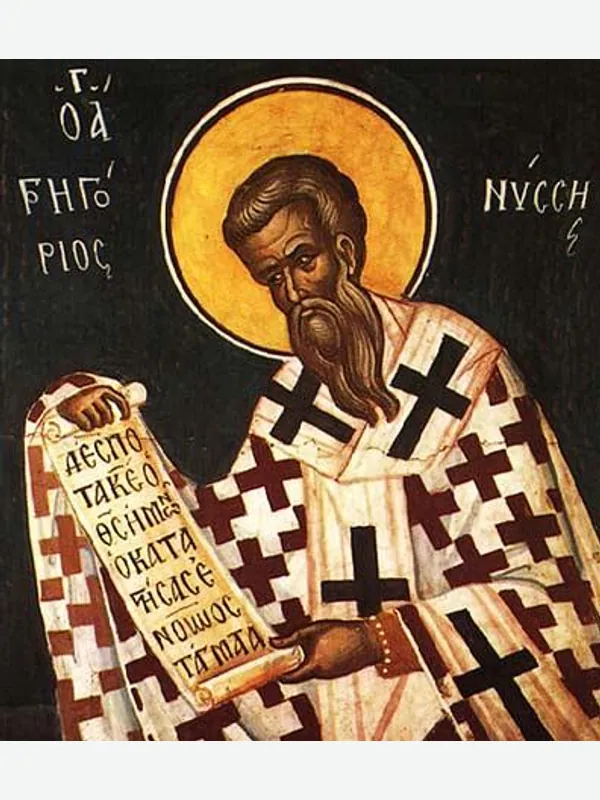
Basil's younger brother Gregory became bishop of Nyssa and later extended the family's anti-Eunomian and pro-Nicene work.
Documented personal relationship
MY
macrina the youngerinfluenceComing soon
Basil's sister Macrina helped shape the ascetic household in Pontus and belonged to the family setting in which his common-life ideals developed.
Documented personal relationship
EC
eunomius of cyzicusopponentComing soon
Basil answered Eunomius's account of divine generation and knowledge in a sustained literary controversy; no personal meeting is implied.
Later or textual influence — no personal contact implied
Reception in Eastern and Western Christianity
Eastern churches remember Basil as one of the Three Holy Hierarchs and as a formative teacher of communal ascetic life. The Byzantine liturgy bearing his name preserves his liturgical association, though its textual history is more complex than direct authorship of every prayer. Western monastic and theological writers also received his rules and Trinitarian arguments. Roman Catholic tradition numbers him among the Doctors of the Church. [1]
Sources & further reading
Reader-facing prose and editorial evidence are kept distinct. Source status reflects link and identity checks, not endorsement of every claim in a source.