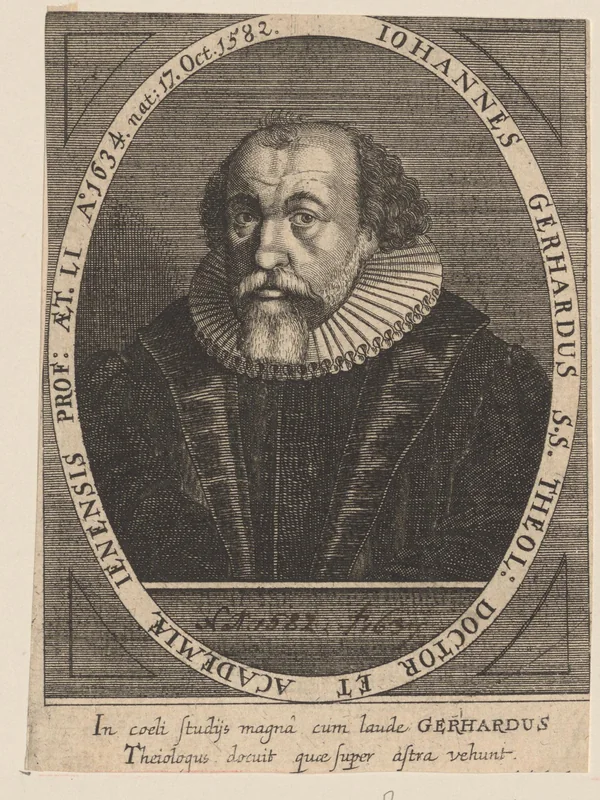
Johann Gerhard was a German Lutheran pastor, professor, church superintendent, and devotional writer. Guided toward theology by Johann Arndt, he served churches in Heldburg and Coburg before joining the faculty at Jena. His Loci theologici offered a large-scale doctrinal synthesis, while the Sacred Meditations and other devotional works joined close theological argument to repentance, prayer, and consolation.
Lutheran Orthodoxy · Early modernHistorical period
Theologian · Professor · PastorPrincipal roles
Latin · German · Greek · Biblical HebrewWriting languages
1Works available here
Biography
Lutheran theologian and devotional writer whose Loci theologici became a major synthesis of seventeenth-century Lutheran orthodoxy.
Education and vocation
Gerhard was born into a prominent Quedlinburg family in 1582. During a serious illness in his youth, the pastor Johann Arndt became an important spiritual adviser and encouraged his interest in theology. Gerhard began at Wittenberg, briefly turned toward medicine, and then resumed theological study at Jena. He earned the master's degree in 1603, taught philosophy and theology, and continued his studies at Marburg. Scripture, the church fathers, Lutheran confessional writing, and the newer university philosophy all entered his formation. [1]
Church office and university work
Gerhard became superintendent at Heldburg in 1606 and general superintendent at Coburg in 1615. These offices involved preaching, visitation, clerical oversight, and advice on public religious questions. In 1616 he accepted a chair of theology at Jena, where he taught for the rest of his life. His scholarship developed alongside demanding church responsibilities and the disruptions of the Thirty Years' War. [1]
Dogmatics, exegesis, and devotion
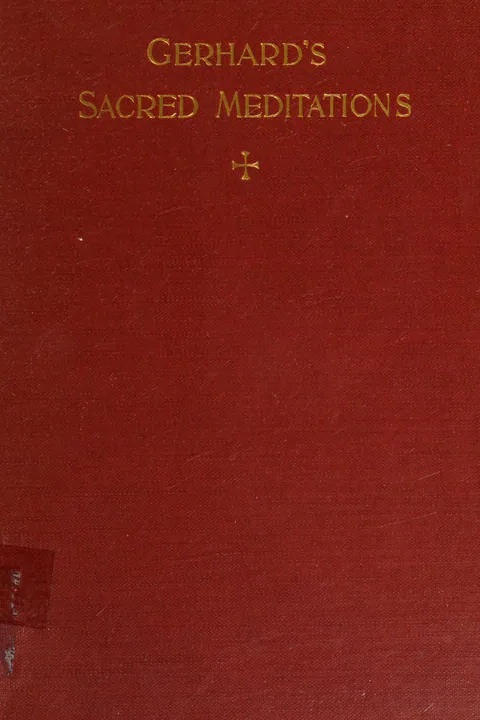
The nine-volume Loci theologici, published between 1610 and 1622, organized Lutheran doctrine through biblical argument, historical testimony, and precise distinctions. Gerhard also continued the gospel harmony begun by Martin Chemnitz and Polycarp Leyser, wrote against Roman Catholic controversialists, and produced works of practical theology. His Sacred Meditations, first published in 1606, reached readers far beyond the university. The combination of dogmatic learning and devotional purpose is essential to understanding his work. [1][2]
Johann Gerhard's devotional classic: fifty-one meditations on repentance, faith, Christ's benefits, prayer, the sacraments, suffering, death, and eternal life.
Loci theologici1610–1622 · Latin · Systematic theology · accepted
Confessio catholica1634–1637 · Latin · Polemical and historical theology · accepted
Theology & thought
Scripture and theological method
Gerhard grounded doctrine in Scripture and developed a detailed account of its authority, clarity, and use. Historical testimony and philosophical distinctions served exposition, but the biblical text remained the governing norm.
Primary texts:Loci theologici: On the Nature of Theology and Scripture
Union with Christ and consolation
His devotional writing returns repeatedly to Christ's incarnation, passion, and gifts as the basis of repentance and assurance. The reader is addressed personally, but the consolation rests on the public claims of the gospel rather than private spiritual achievement.
Gerhard defended Lutheran teaching as evangelical and catholic, appealing to Scripture and the historical church while disputing Roman claims about papal authority and doctrinal continuity.
Primary texts:Confessio catholicaLoci theologici
Historical timeline
Approximate and disputed dates are marked rather than silently normalized.
life
Born at Quedlinburg
Born on 17 October into the household of civic official Bartholomäus Gerhard. [1]
education
Master's degree at Jena
Completed the degree and began teaching philosophical and theological subjects. [1]
office
Superintendent at Heldburg
Entered senior church office in the same year that Sacred Meditations appeared. [1]
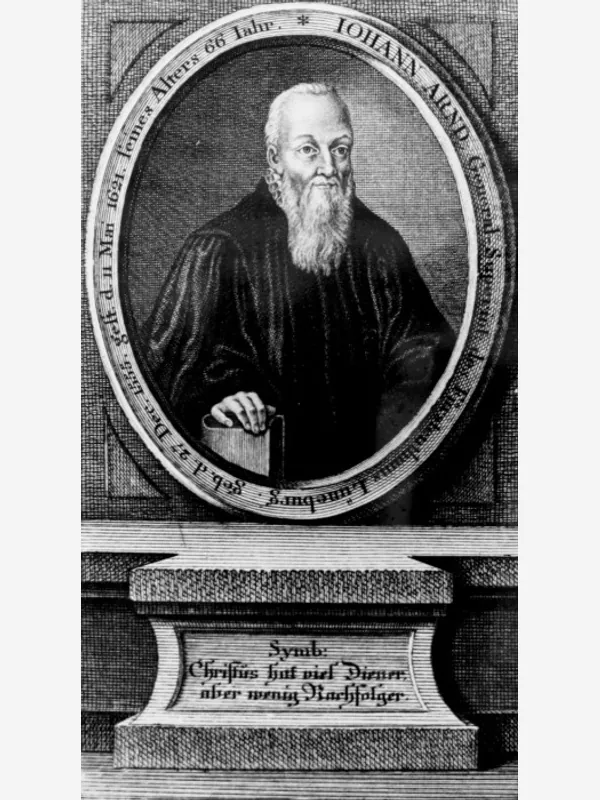
Arndt advised Gerhard during his youth and helped direct him toward theology; Gerhard's devotional writing retained traces of that formation.
Documented personal relationship
MC
Martin ChemnitzsuccessorComing soon
Gerhard extended the gospel harmony begun by Chemnitz and developed the doctrinal tradition of the preceding Lutheran generation. They did not meet; Chemnitz died before Gerhard was four years old.
Later or textual influence — no personal contact implied
GC
georg calixtcontemporaryComing soon
Gerhard and Calixt belonged to the same learned Lutheran world, though later controversies made their approaches to doctrine and church unity points of comparison.
Documented personal relationship
Reception and influence
Gerhard became one of the principal authorities of Lutheran orthodoxy. His Loci shaped academic theology, while the Sacred Meditations circulated as devotional literature in several languages. Later readers have sometimes separated the scholastic dogmatician from the devotional author, but his own career held those tasks together. [1]
Sources & further reading
Reader-facing prose and editorial evidence are kept distinct. Source status reflects link and identity checks, not endorsement of every claim in a source.